
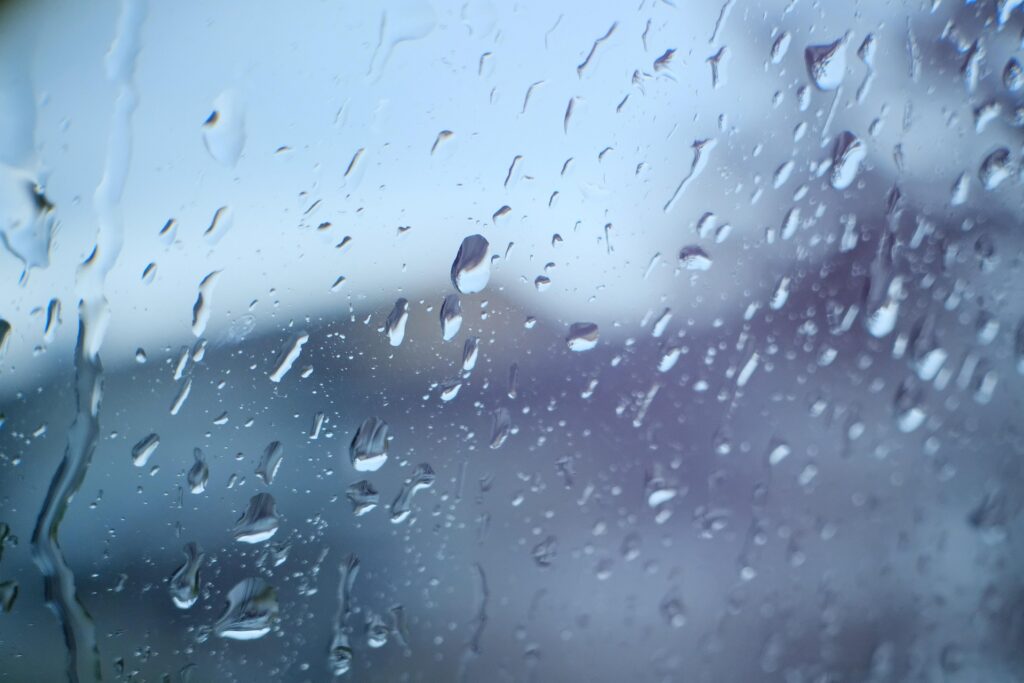
Have you ever watched rain soak into the ground and wondered where it goes? One moment it’s splashing on the sidewalk, and the next it’s gone — like magic. But what looks simple on the surface is actually one of nature’s most brilliant systems at work.
Beneath your feet, the Earth is constantly cleaning water. Quietly. Patiently. Drop by drop.
Long before humans invented water filters, the planet had already perfected the process using three simple materials: sand, gravel, and charcoal. Today, we’re going to explore how Earth uses these natural tools to keep water clean and ecosystems healthy.
The Secret Journey of a Raindrop
Let’s follow a raindrop from the moment it hits the ground.
It lands on soil, slips between blades of grass, and begins to sink. This sinking process is called infiltration, and it’s the first step in Earth’s natural filtration system.
As the raindrop moves downward, it enters a world of layers — each one acting like a different stage in a giant underground water filter. By the time that drop reaches a spring, river, or underground aquifer, it has been cleaned in ways that would impress any modern water treatment plant.
Why Water Needs Filtering
Rainwater isn’t always as clean as it looks. As it travels across the land, it picks up:
- dirt
- bacteria
- chemicals
- tiny pieces of plants and animals
If all of that flowed straight into rivers and groundwater, ecosystems would collapse. So Earth developed a natural system to clean water as it moves through the ground.
And the stars of this system are three materials you’ve probably walked on a thousand times without noticing. Let’s hop into the first resource that produces natural water filtration.
Gravel: The First Line of Defense
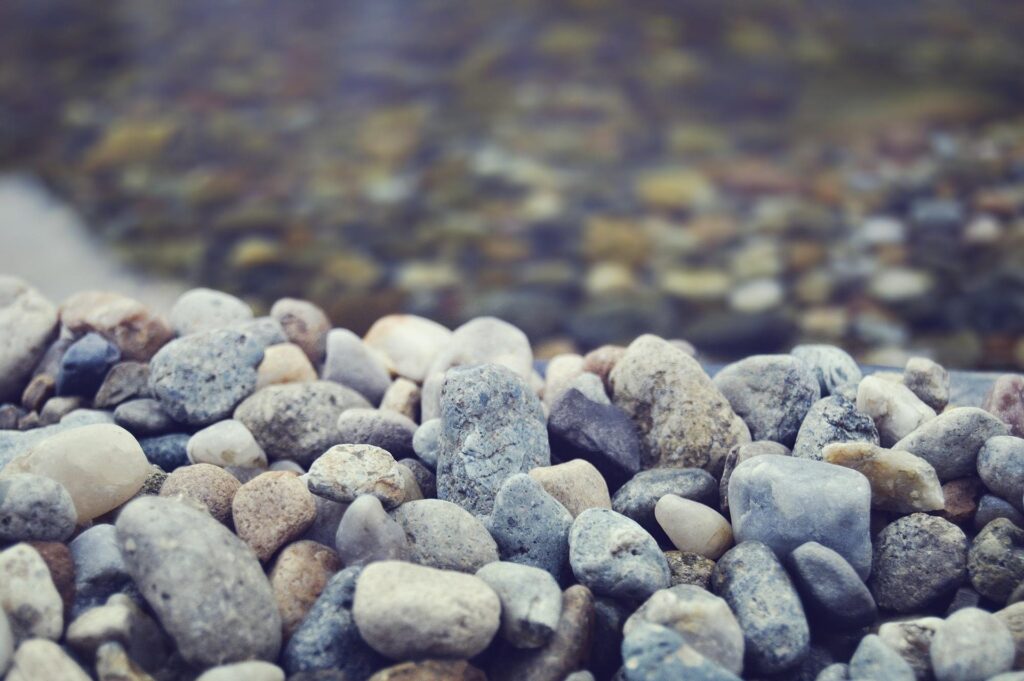
Water usually meets gravel first. Gravel is made of larger rocks with big gaps between them.
You might think, “How does something with big gaps filter anything?”
Gravel acts like a pre‑filter. It catches the big stuff, like leaves, twigs, and larger debris, before the water moves deeper underground. Without gravel, the layers below would clog quickly.
Think of gravel as the gatekeeper that keeps the messiest particles out.
Sand: The Master Filter
Next comes sand, and this is where the real magic happens.
Sand grains are tiny and tightly packed, leaving only small spaces for water to squeeze through. As water moves through sand, dirt and smaller particles get trapped. This is called mechanical filtration, and it works like a natural sieve.
But sand does something else important: it slows water down.
Slower water means more time for natural cleaning processes to happen. Harmful bacteria die off, tiny particles settle, and chemical reactions take place that help purify the water even more.
This is why many of the world’s cleanest springs and wells are surrounded by thick layers of sand.
Charcoal: Nature’s Chemical Magnet
Now we reach the most surprising layer: charcoal.
Charcoal forms naturally when plant material burns and becomes carbon-rich. It’s full of tiny pores — millions of them — that act like microscopic magnets. These pores attract and trap chemicals, toxins, and even bad smells.
This process is called adsorption, and it’s different from absorption. Instead of soaking things up like a sponge, charcoal grabs molecules and holds them on its surface.
While sand and gravel remove physical particles, charcoal removes things you can’t see, such as:
- harmful chemicals
- pollutants
- organic compounds
- odors
Humans use charcoal in water filters today because nature showed us how effective it is.
Microbes: The Invisible Cleanup Crew
Hidden within the sand and soil are billions of tiny organisms called microbes.
These microbes eat harmful bacteria, break down pollutants, and help clean water even further. They’re like the janitors of the underground world, working nonstop to keep ecosystems healthy.
Without them, natural filtration wouldn’t be nearly as effective.
Wetlands: Earth’s Water Treatment Plants
If you’ve ever walked through a marsh or swamp, you might not think “Wow, this place is cleaning water.” But wetlands are some of the most powerful natural filters on the planet.
Wetlands use:
- plants to absorb chemicals
- soil to trap particles
- microbes to break down waste
- sand and gravel to filter water
They’re so effective that many cities build artificial wetlands to help clean wastewater. Nature figured out the blueprint — humans just copied it.
Rivers Clean Themselves Too
Rivers might look muddy, but they’re constantly cleaning themselves.
As water flows, it slows down in certain areas, allowing particles to settle. Gravel beds trap debris, sandbars filter water, and plants along the banks absorb pollutants.
Even the twists and turns of a river help clean water by spreading it out and giving it more time to interact with natural filters.
Aquifers: Earth’s Underground Reservoirs
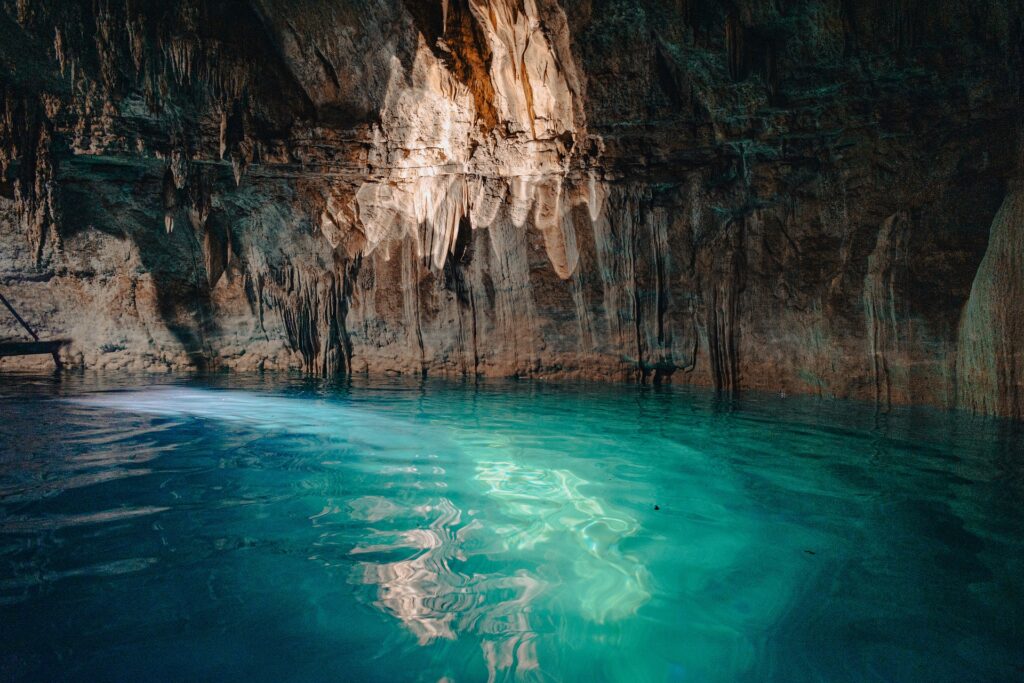
Deep underground, water collects in spaces between rocks, sand, and gravel. These underground lakes are called aquifers.
Aquifers hold some of the cleanest water on Earth because the water reaching them has been filtered for months — sometimes years — through natural layers.
When you drink from a natural spring, you’re tasting the result of Earth’s long, patient filtration process.
Why Natural Filtration Matters
You might wonder why natural filtration is important when humans have water treatment plants.
Natural filtration:
- keeps rivers and lakes healthy
- protects wildlife
- prevents pollution from spreading
- recharges clean groundwater
- supports ecosystems humans depend on
And here’s the best part: it’s free.
If we damage the systems that filter water — wetlands, forests, soil layers — we lose one of Earth’s most important tools.
Helping Earth Keep Its Water Clean
We can support natural filtration in simple ways:
- Planting trees helps stabilize soil.
- Protecting wetlands keeps natural filters working.
- Reducing pollution gives the system room to breathe.
- Using less fertilizer prevents chemicals from entering groundwater.
When we protect the land, the land protects our water.
Final Thoughts
The next time you watch rain disappear into the ground, remember: that water is beginning an incredible journey.
It will pass through gravel that sorts it, sand that strains it, charcoal that purifies it, and microbes that polish it.
Earth doesn’t rush. It filters water slowly, patiently, and beautifully — the same way it has for millions of years.
Nature’s water filter isn’t just clever. It’s essential. And it’s up to us to protect it.
Water Filtration Lab Procedure
Student Lab Worksheet
Definition Sheet
Printable Article
Sources:
- Activated charcoal in wetlands Springer. (n.d.). Use of activated charcoal to enhance constructed wetland performance. Springer Nature.
- Microbial purification in wetlands Kumari, A., Raj, S., Singh, S. K., Verma, K. K., & Mishra, P. K. (2025). Ecological functions of microbes in constructed wetlands for natural water purification. Water, 17(20), 2947.
- Biochar and activated carbon in natural sediment wetlands Nature Publishing Group. (n.d.). The impact of biochar and activated carbon on the purification performance of natural sediment wetlands. Nature.
- Constructed wetlands for stormwater & wastewater Biswal, B. K., & Balasubramanian, R. (2022). Constructed wetlands for reclamation and reuse of wastewater and urban stormwater: A review. Frontiers in Environmental Science, 10.
- Natural & constructed wetlands as filtration systems Shravani, M., Banerjee, R., & Pallavi, N. (2025). Natural & constructed wetlands: A review on water purification functions and ecosystem services. Journal of Materials and Environmental Science, 16(7), 1245–1269.